

i-Mars Organization
goal of human settlement on Mars and Moon.
Welcome to iMars Organization
iMars is a mission-driven space technology engineering and research organization focused on developing practical technologies required for sustainable human settlements beyond Earth, particularly on the Moon and Mars.
Our focus is on engineering the technologies, systems, and everyday technology infrastructure required to enable long-term human survival beyond Earth. Through a methodology based on Commercial Off-The-Shelf (COTS) technologies and collaborative engineering, we aim to accelerate innovation while reducing cost and complexity.
Our mission is to create an open, distributed, and collaborative engineering ecosystem that brings together scientists, engineers, educators, and innovators to design and develop the wide range of tools, habitats, life-support systems, and operational frameworks necessary for human life on Mars and Moon.
Our Focus
iMars Organization does not concentrate on transportation systems such as rockets or interplanetary spacecraft. These capabilities are being advanced by organizations such as SpaceX and other commercial launch providers and will become accessible through commercial partnerships.
Instead, our primary focus begins once humans arrive on Mars.
We are dedicated to developing everything required to sustain life on the Martian surface — from the smallest everyday tools to large-scale, self-sustaining habitat systems.
What We Are Building
From simple utility systems to advanced life-support infrastructure, we are working across the full spectrum of Mars settlement needs, including:
-
Sustainable habitats
-
In-situ resource utilization systems
-
Life-support technologies
-
Surface operations tools
-
Maintenance and repair systems
-
Daily-use infrastructure for long-term human presence
Every element of life on Mars must be engineered thoughtfully, sustainably, and collaboratively — and that is our commitment.
The iMars Organization is working on habitat development and sustainable human settlement on the planet Mars through an innovative engineering framework based on Commercial Off-The-Shelf (COTS) technologies and a highly collaborative, open development approach. By leveraging proven components, modular systems, and existing industrial capabilities, iMars reduces dependence on expensive, fully custom-built space hardware, thereby significantly lowering development costs, shortening technology maturation timelines, and improving reliability through the use of field-tested subsystems. Our methodology emphasizes modular design, in-situ assembly, and scalable infrastructure that can evolve from early robotic missions to permanent human settlements. This includes the development of pressurized habitats, surface mobility systems, modular life-support infrastructure, regolith-based shielding and construction methods, and logistics architectures capable of supporting long-duration human presence. Systems are designed for volumetric efficiency during transport and robotic or human-assisted assembly on the Martian surface, ensuring practicality within current and emerging launch capabilities. iMars also promotes a collaborative ecosystem involving engineers, universities, startups, industry partners, and citizen innovators, enabling rapid prototyping, iterative testing, and shared technology development.
Mars Analogue Research Stations serve as invaluable testing grounds to assess the practicality and effectiveness of technologies developed by the iMars Organization . These specialized stations function as test beds, providing a platform to validate and refine proposed solutions for future Mars missions.These stations replicate critical Martian environmental and operational constraints, allowing engineers, scientists, and mission planners to evaluate habitat systems, surface vehicles, crew operations, dust mitigation techniques, and human-machine interaction in realistic mission scenarios. Such analogue missions help identify engineering challenges early, refine system designs, and establish operational procedures essential for future human missions to Mars.
As part of this effort, iMars is planning the establishment of I-MARS ARYA, envisioned as a dedicated Mars analogue research station. The facility is proposed outskirs of Bangalore, Karnataka. The station will simulate key Martian environmental parameters—including reduced atmospheric pressure conditions, temperature cycles, controlled lighting to mimic Martian day–night patterns, and terrain incorporating Mars regolith simulant. It will serve as a multidisciplinary testbed for validating habitat modules, rover systems, construction technologies, and life-support subsystems, as well as for conducting analogue astronaut training and mission simulations.
The i-Mars Organization is developing advanced simulated Moon and Mars environments to support the engineering, testing, and validation of technologies required for sustainable human presence beyond Earth. This initiative focuses on creating controlled test facilities where key extraterrestrial conditions—including temperature extremes, low atmospheric pressure and density, solar illumination characteristics, and surface regolith properties—are accurately reproduced. These simulated environments will enable the testing and qualification of lunar and Martian rovers, surface vehicles, habitat structures, mobility systems, excavation equipment, and life-support infrastructure under realistic operational conditions. By replicating Moon-like vacuum and Mars-like thin atmosphere, along with appropriate thermal cycles and lighting spectra, engineers can evaluate mechanical reliability, material performance, dust interaction, sealing integrity, thermal management, and operational efficiency before deployment in space. The facility will also include engineered lunar and Martian regolith simulants to study wheel traction, excavation, anchoring, construction techniques, and habitat foundation stability. This infrastructure will serve as a critical platform for technology development, crew training, and mission validation, enabling academia, industry, and research institutions to design and mature systems essential for future lunar bases and permanent human settlements on Mars.
The iMars Organization serves as an exceptional platform for academic research, specifically focusing on applied engineering in the domain of Space Technology development. Our mission is to bridge the gap between various disciplines, bringing together engineering students, medical, agricultural stutends, and technology developers under one unified umbrella. Together, we collaborate towards a common goal – devising tools and technologies vital for humankind's survival on the planet, Mars.
With a visionary approach, we encourage cross-disciplinary cooperation, fostering an environment of innovation and exploration to address the challenges that lie ahead in establishing sustainable habitats on Mars. We extend our assistance to both graduate and undergraduate students who are passionate about Mars technology development.
Through this dedicated program, we aim to foster awareness and education among the general population about Space Technology and Mars missions happening across the world. A key component of this initiative is a Space Technology training program centered on Mars rover design, development, and operations, where students and participants gain hands-on exposure to rover mobility systems, electronics, sensors, control systems, and mission simulation. Particularly for a country like India, where space exploration is gaining strong momentum, it is crucial to ensure that the public is well-informed about international developments in Space Technology and Mars exploration. This program will encourage young minds to develop practical skills and inspire a deep passion for Space Technology, robotics, and future planetary exploration.
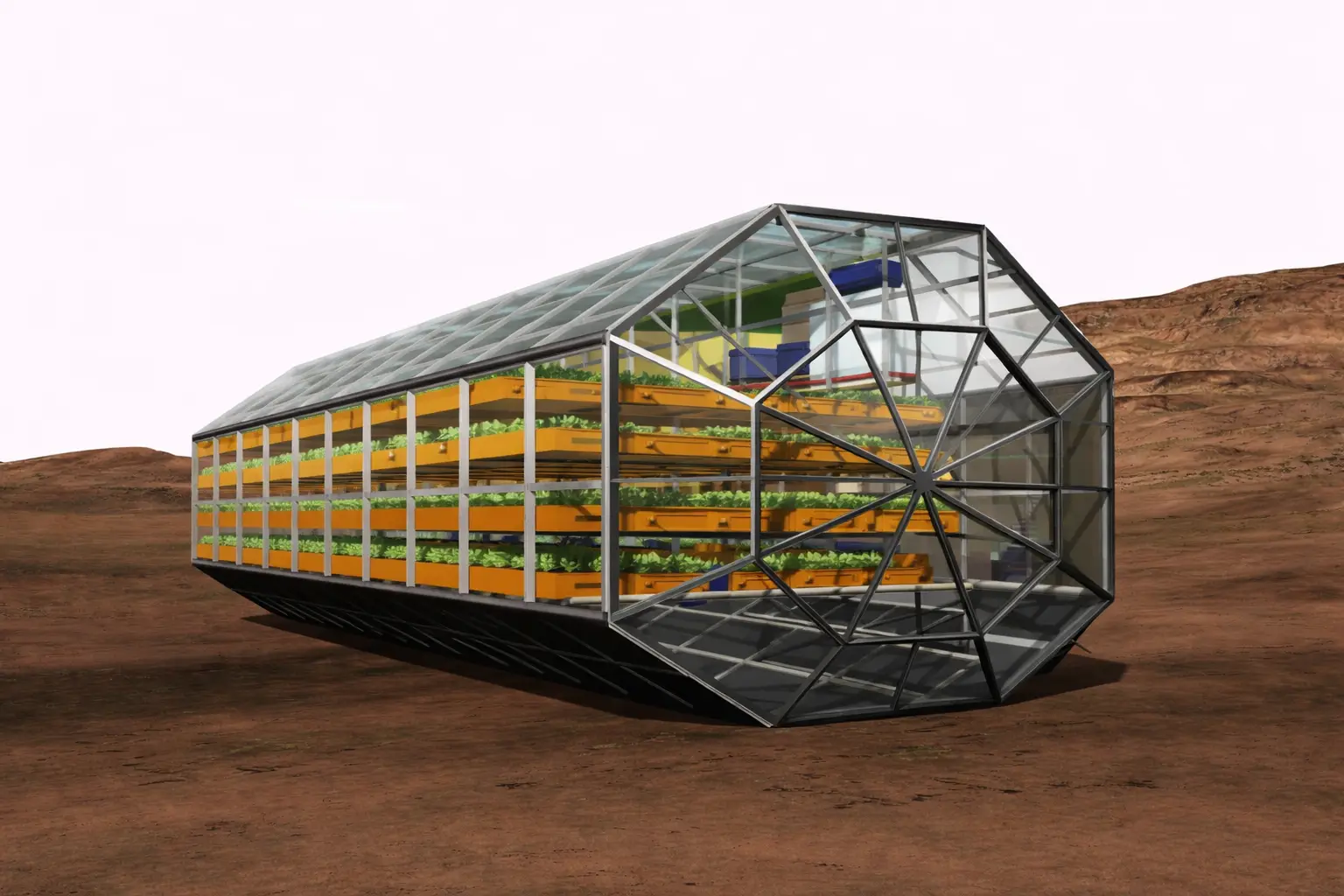
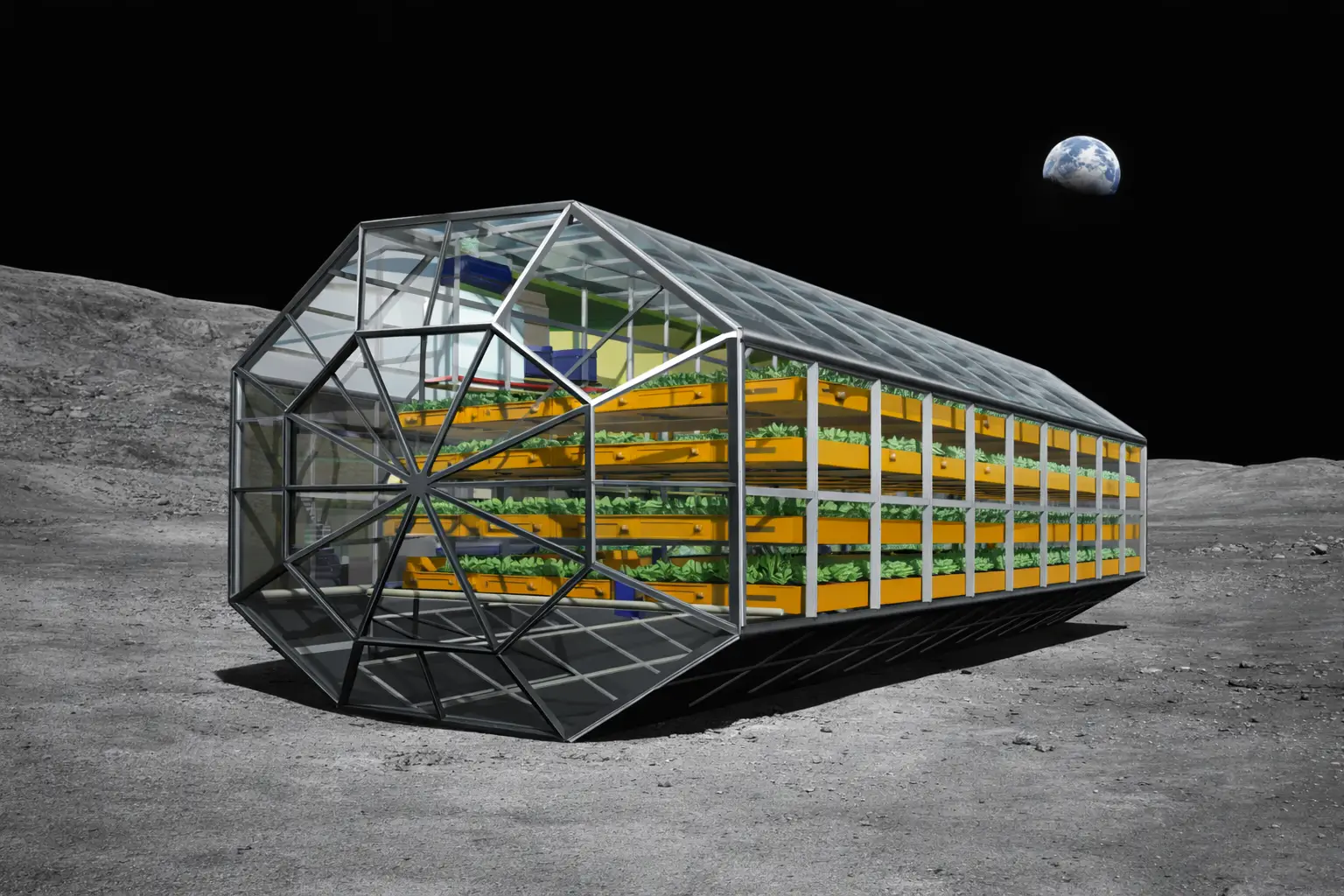
Future Mars and Moon habitat development must rely on volumetrically efficient transport architectures, where structural members, pressure shells, glazing panels, seals, life-support modules, and internal systems are launched in compact, disassembled configurations and assembled in-situ. This approach minimizes launch mass and maximizes payload utilization while enabling scalable expansion after landing. On the Moon, the near-vacuum environment creates extreme pressure differentials, demanding highly reliable airtight joints, advanced gasket technologies, multi-layer pressure shells, and redundant sealing systems to prevent air leakage. On Mars, although a thin atmosphere exists, habitats must still withstand low external pressure, dust intrusion, and thermal cycling. The iMars Organization is actively exploring integrated technologies for extraterrestrial habitat development from both construction and operational perspectives — including modular structural frames, robotic-assisted assembly, regolith-based shielding, advanced airlock systems, smart leak-detection networks, and user-centric interior layouts that support agriculture, life-support integration, and long-duration human habitation. The focus is to engineer habitats that are safe, expandable, maintainable, and optimized for sustained human presence beyond Earth.
SOL - ONE: A DAY ON MARS
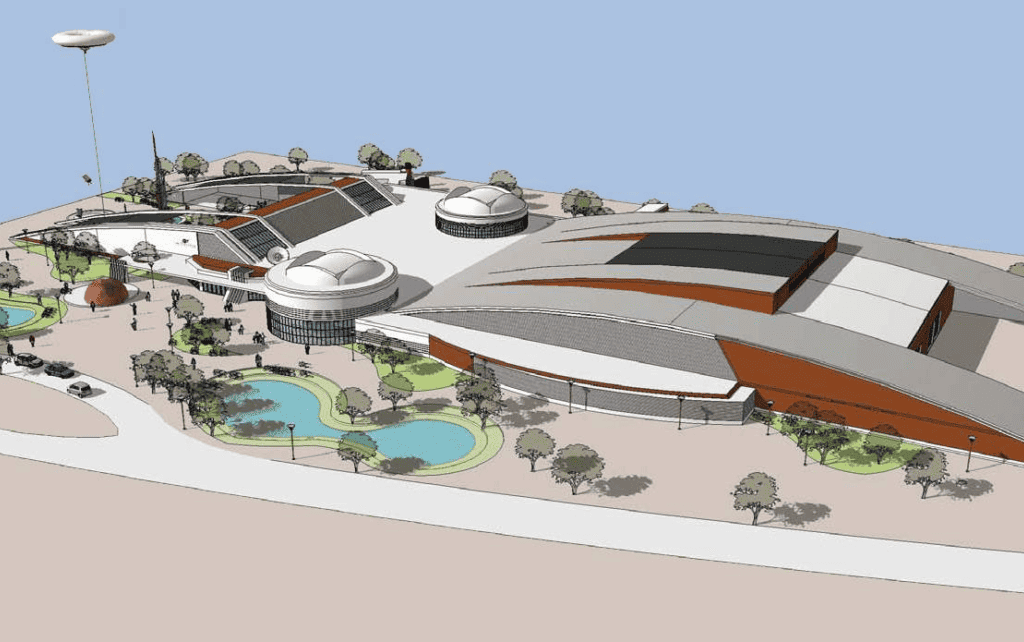
Conceptual View of Mars Education Centre, to be constructed near Bangalore.
Mars Education Centre(MEC - SOL ONE)
The Mars Education Centre, known as SOL-ONE, is an innovative OutReach center designed to cater to students, engineers, and the general public. Developed in collaboration with Mars researchers from the United States and Europe (Mars Society and other organizations), SOL-ONE carries a profound underlying significance: “A day on Mars.” This facility aims to provide a unique and immersive educational experience that brings the wonders of Mars closer to our world. By fostering curiosity, scientific exploration, and cross-cultural learning, SOL-ONE seeks to inspire the next generation of visionaries who will shape the future of space exploration. Whether you’re a student seeking to delve into the mysteries of the Red Planet or an enthusiast eager to expand your knowledge, SOL-ONE offers a dynamic platform where imagination and knowledge converge, opening up new horizons of understanding about our neighboring planet and beyond.
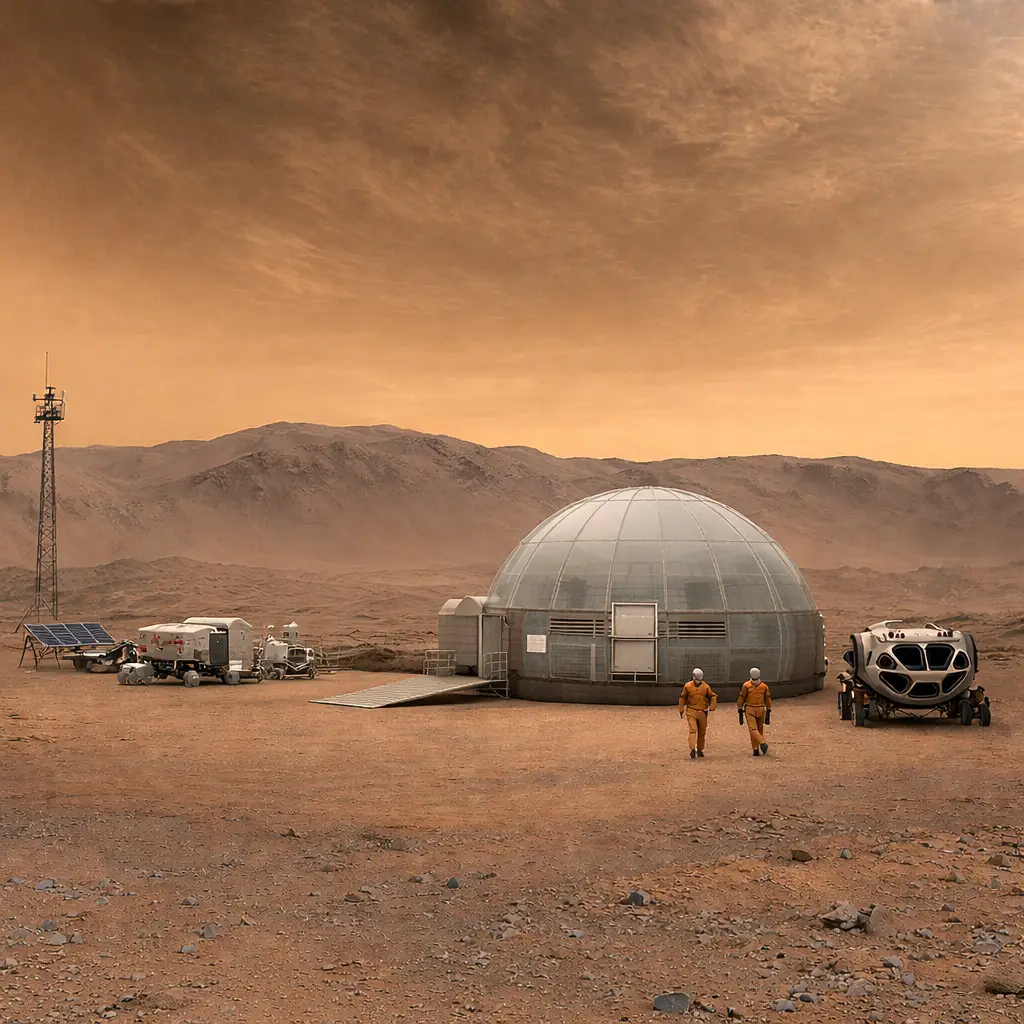
iMars ARYA is a program by iMars Organization in India to develop Mars analog Research Stations in India.
A Mars analog station serves as one of the pivotal tools in the quest for understanding and preparing for Martian exploration missions. Several research stations have been established, existing, or proposed with the specific purpose of simulating the physical and psychological challenges that astronauts would encounter during a real Martian mission. These habitats play a crucial role in studying and refining the equipment and techniques required to analyze the Martian surface effectively. Moreover, they offer a controlled environment for volunteer inhabitants, replicating the isolation and confinement experienced during extended space missions. This unique setting enables scientists to delve into the medical and psychosocial impacts of prolonged space travel, providing invaluable insights for future crewed missions to Mars. iMars Organization is attempting to build first such analog station in the country named i-MARS ARYA so that habitat technologies and solutions developed by the organization can be put to test in Mars like environment, providing useful data on efficacy, usefulness.
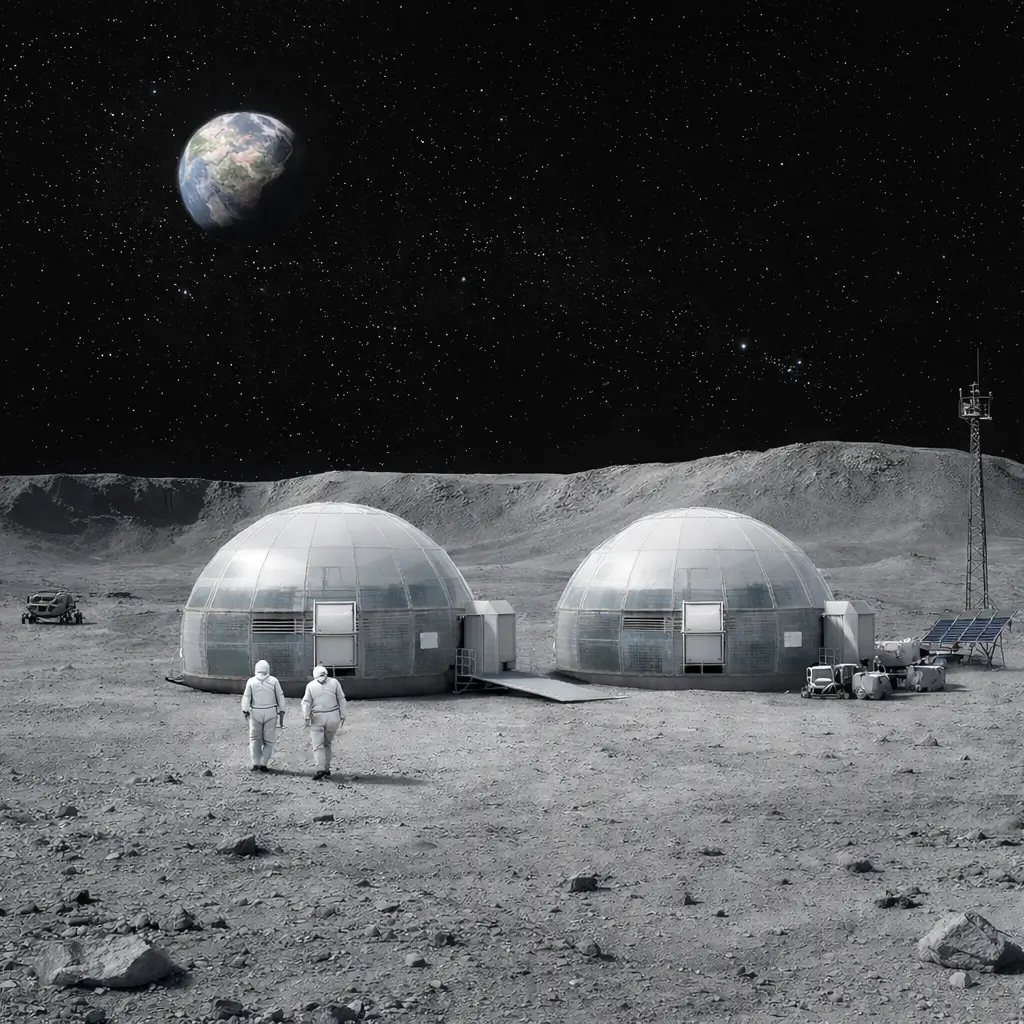
iMars ADHYA is a program by iMars Organization in India to develop Moon analog Research Stations in India.
The iMars Moon Analog Research Station is a planned terrestrial facility designed to simulate the environmental and operational conditions of the lunar surface, enabling the development, testing, and validation of technologies required for sustained human presence on the Moon. The station will replicate key lunar parameters, including vacuum or low-pressure environments, extreme thermal cycles, high-intensity solar illumination, and realistic lunar regolith simulant terrain. This facility will support the testing of lunar habitats, pressurized and unpressurized rovers, surface construction systems, power and thermal management technologies, airlock and sealing mechanisms, and astronaut operational procedures. Built using a modular and COTS-based engineering approach, the station will serve as a collaborative platform for academia, industry, and space agencies to conduct experiments, crew simulations, and mission rehearsals. The iMars Moon Analog Research Station will play a critical role in advancing India’s capability in lunar surface systems engineering and preparing technologies and human operations for future lunar base development and long-duration missions.
Interested to work with us!
Be part of efforts by humanity to develop technologies needed to survive and colonize Mars.